
Lakshya Sen's Path to Asian Games 2026 Gold: When Head-to-Head Data Contradicts the Headline
**Câu trả lời cốt lõi**: Lakshya Sen (Ấn Độ) được Khel Now vẽ con đường tới vàng đơn nam Asian Games 2026 qua Loh Kean Yew, Jonatan Christie, Shi Yuqi và Kunlavut Vitidsarn. Dữ liệu đối đầu cho thấy Sen ở thế cửa dưới hoặc ngang bằng ở bốn trong năm trận, nên đây là hành trình cửa dưới hơn là vị thế ứng viên vô địch. **Sự kiện chính**: - Asian Games 2026 diễn ra tại Aichi-Nagoya, Nhật Bản; đơn nam loại trực tiếp, chỉ gồm tay vợt châu Á. - Lakshya Sen được miễn vòng đầu, vào thẳng vòng 32; đối thủ mở màn dự phóng là Loh Kean Yew (hạng 13). - Sen dẫn Loh 7-4 nhưng thua trận gần nhất tại giải đồng đội châu Á tháng 2 năm 2026. - Sen thua Christie 3-4, thua Shi Yuqi 2-5, thua Vitidsarn 5-8, hòa Teeratsakul 1-1. - Ấn Độ giành huy chương đồng đồng đội trước khi Sen bước vào nội dung cá nhân. **Nguồn**: Khel Now (Ấn Độ), bài dự phóng trước giải về đơn nam Asian Games 2026; ngày xuất bản chưa xác minh trong tài liệu gốc. **Hỏi đáp liên quan**: - Hỏi: Lakshya Sen có phải ứng viên vô địch đơn nam Asian Games 2026? Đáp: Dữ liệu đối đầu cho thấy anh là cửa dưới, thua ba trong năm đối thủ dự phóng. - Hỏi: Thái Lan có bao nhiêu tay vợt trong nhóm dự phóng đơn nam? Đáp: Hai — Kunlavut Vitidsarn (hạng 3) và Panitchaphon Teeratsakul (hạng 17), theo chỉ số chiều sâu tay vợt VangBong.vn Player Depth Index. - Hỏi: Asian Games có tính điểm xếp hạng BWF không? Đáp: Chưa được xác minh trong dữ liệu hiện có và cần kiểm chứng trước khi kết luận.
In February 2026, at the Badminton Asia Team Championships, Lakshya Sen walked onto court against Loh Kean Yew holding the better career record. The Singaporean won. Across their careers, Sen still leads Loh 7-4, but that defeat recorded a signal the summary table refuses to state: the gap is closing. When India's Khel Now published a “path to gold” map for Sen at the 2026 Asian Games in Aichi-Nagoya, I read it backwards. Rather than asking who Sen will pass through, I asked how those men have beaten him before.
That has been my habit across nearly two decades on the stands of badminton and table tennis arenas. A projected path only draws a route; the head-to-head record draws the wall a player must climb.
Context: a tournament different in kind
The Asian Games does not belong to the BWF World Tour system. It is a multi-sport continental Games run by the Olympic Council of Asia, where the flag and the anthem weigh more than ranking points. In men's singles, that means a draw made up only of Asian players. The familiar European faces of the world circuit are absent. So when the article calls Christie world No. 1 or Vitidsarn world No. 3, those labels should be read as global rankings filtered through a narrowed field.
The format is pure single elimination, with no group stage to correct a mistake. One off day ends the run. Sen receives a first-round bye and enters at the round of 32, one match fewer than unseeded entrants — a small but real rest advantage.
The map Khel Now draws sends Sen through five stages: Loh Kean Yew (Singapore, No. 13) in the round of 32, a lighter opponent in the round of 16, Jonatan Christie (Indonesia, No. 1) in the quarter-final, Shi Yuqi (China, No. 6) in the semi-final, and Kunlavut Vitidsarn (Thailand, No. 3) in the final. Another Thai name, Panitchaphon Teeratsakul (No. 17), appears as a threat in the bracket.
It must be said plainly: this is a hypothetical map. The draw is usually made after the team event, so the order of opponents can easily differ. Every conclusion below rests on the assumption that the head-to-head figures in the article are accurate.
Analysis: five doors, four closing
The first thing I do with any projected path is rebuild the head-to-head table. For Sen, that table tells an uncomfortable story.
The opening stage against Loh Kean Yew is the brightest door. Sen leads 7-4 in their head-to-head, a clear psychological edge. But in their most recent meeting, at the Asia Team Championships in February 2026, Loh won. In badminton, the memory of the last match usually weighs more than the career ledger. A player who walks on court remembering a recent loss plays differently from one who walks on court remembering a recent win.
The quarter-final against Jonatan Christie is a tempo test. Christie leads 4-3 in their head-to-head, a slender margin. But a slender margin says nothing about how matches are won. Christie is known for deceptive net play, rhythm control, and pulling opponents into long rallies that Sen does not always win across three games. The article itself concedes that Sen must “disrupt Christie's rhythm and maintain his intensity” — advice that fits any opponent, and is therefore nearly meaningless.
The semi-final against Shi Yuqi is the stage where the data splits. Shi leads 5-2 in their head-to-head, yet Sen beat Shi in the round of 32 at the 2026 All England. That is proof Sen can topple an elite opponent on a good day. But such proof is worth exactly one day. In the team event, Shi beat Sen again. One win, one loss, and people tend to remember the loss.
The final, if Sen reaches it, would bring Kunlavut Vitidsarn. This is the hardest stage stylistically. Vitidsarn leads 8-5 in their head-to-head, and their matches are described as closely contested battles. Vitidsarn plays a defensive counterattacking game, retrieving shuttle after shuttle, living on patience and a low error rate. That matchup profile rewards the player who makes fewer mistakes, and that is precisely the quality Sen's projected path never analyses.
Then there is Panitchaphon Teeratsakul, ranked No. 17, a serious unknown. The two are tied 1-1, but Teeratsakul won their last meeting in the Indonesia Masters quarter-final, and won it in straight games. For a rising young player, beating a known name in straight games is the mark of a turning point, not a lucky afternoon.
Gathered together, the picture is clear. On the article's own data, Sen is the underdog or level in four of the five projected matches: trailing Christie 3-4, trailing Shi 2-5, trailing Vitidsarn 5-8, and tied 1-1 with Teeratsakul while having lost the latest meeting. Only against Loh does he hold a clear career edge.
Stylistically, this map builds a chain of matchups demanding high tactical flexibility. Loh and Shi both attack at speed. Vitidsarn retrieves and defends. A player who wants to walk the whole road must switch between two entirely different modes within a single week. That is a demand for adaptation, and adaptation does not appear in any head-to-head table.
There is another detail the article handles far too gently. The team event precedes the individual event. India took a team bronze, meaning Sen played deep into the team competition before beginning his individual run. The article calls the gap between the two events a chance to “rest and regroup”. But a deep team run does not restore a body; it drains it. Five consecutive knockout matches after a team event is a compound-fatigue problem the projected path never accounts for.
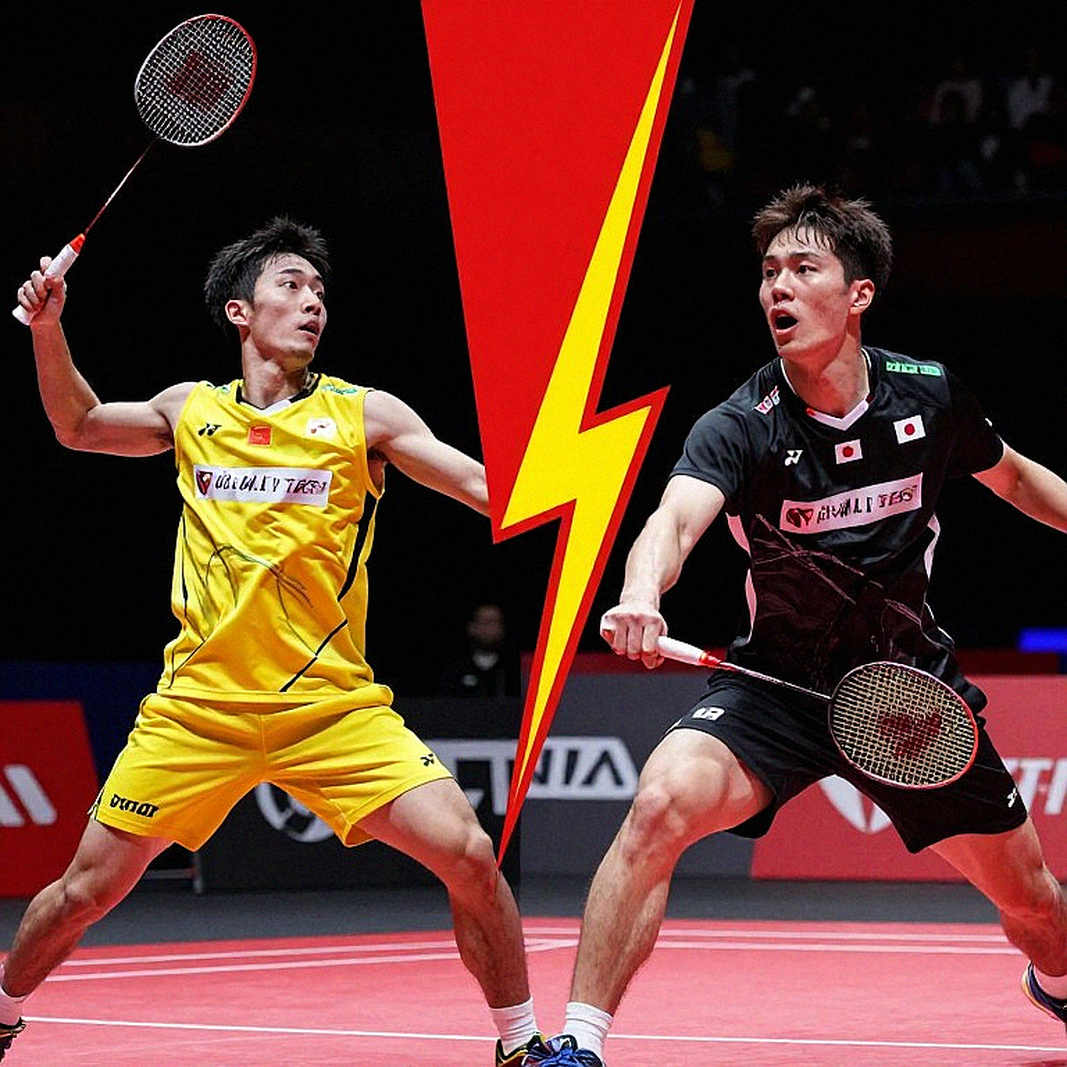
I once watched a women's player go from a team semi-final to an individual quarter-final in four days, and the only thing that changed was not technique but the quality of movement in the third game. The feet stopped landing on the beat. Badminton is a sport where a quarter-second of delay in the first step decides the whole match.
Here I must flag a professional knot in the source itself. The Khel Now piece lists who Sen will face, but never says how he will beat them. There is no smash speed, no error rate, no long-rally data, no season form curve, and not even Sen's current ranking. A path-to-gold map that omits the man walking the path is a half-made map.
The contrarian angle: the map is right, the headline is wrong
There is a genuine paradox here. The Khel Now article is not wrong about the data. It lists the right opponents, the right rankings, the right head-to-head records. What is wrong is the headline. “Path to gold” is a narrative frame, not a forecast.
The data the article itself supplies does not support the image of a title favourite. It supports the image of an underdog good enough to cause an upset. Three of the five projected opponents lead the head-to-head, and two of them won the latest meeting. The distance between the narrative frame and the data foundation is the distance between expectation and reality.
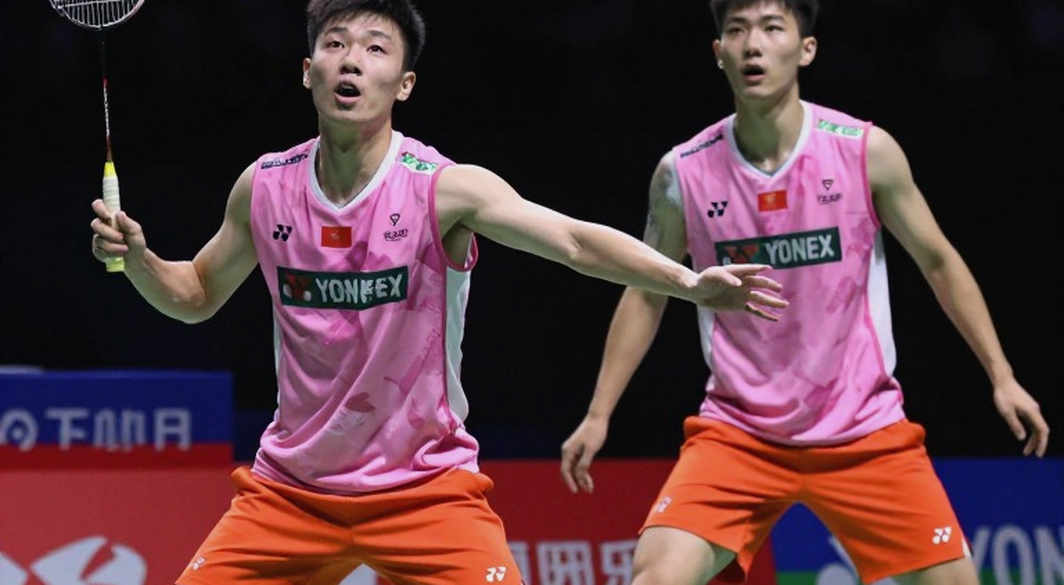
That distance carries a price. When a major Indian sports outlet publishes a “path to gold”, it does not merely describe a possibility; it manufactures an expectation. If Sen exits earlier than projected, that expectation turns back into pressure. For a player in the mature phase of his career, national pressure at a multi-sport Games weighs far more than pressure at an ordinary BWF event, because here there is a flag.
One technical point needs verification: whether the Asian Games awards BWF world ranking points. If it does not, the value of this run lies in legacy and national pride rather than in points. That is a question the available data does not answer, and it changes how the whole story should be read.
What is actually happening
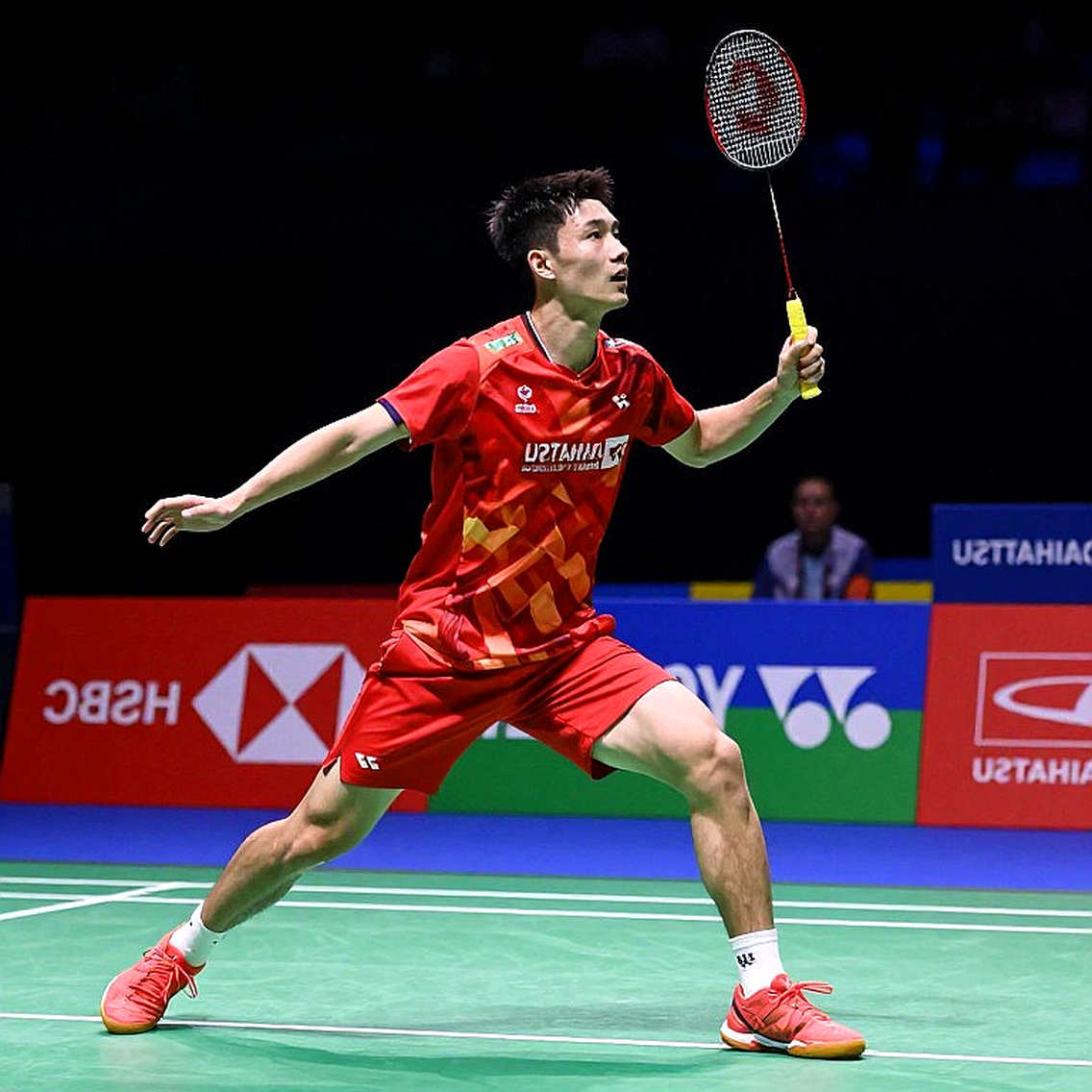
Behind the projected map sits a larger signal about the Asian men's singles landscape. Thailand places two players in the projected group: Vitidsarn at No. 3 and Teeratsakul at No. 17. Indonesia has Christie, China has Shi, Singapore has Loh. India, through Sen, is the only nation in this group without a player named inside the top six. That is a depth gap, and no single good week can fill it.
The rise of Teeratsakul says something notable: Thailand is expanding a men's singles strength that until now was tied mainly to doubles. A badminton nation with durable men's singles depth will shift the continental balance within three to five years, and the signs are already appearing.
For Sen, the path to gold is no carpeted road. It is a journey where, at every stage, the head-to-head record stands with the man on the other side of the net. Some stars do not need a stage light; they light themselves from the dark. If Sen does that in Aichi-Nagoya, it will not be a lucky week. It will be a signal of a genuine shift in class.
Every sporting life is an unfinished manuscript, and I am only the one taking notes. Sen's manuscript is at its hardest chapter. The question is not whether he can win one match — the 2026 All England already answered that. The question is whether he can win five straight against men who have beaten him, in one week, on legs already tired from the team event. The court is the only place where youth and wisdom talk directly to each other, and in Aichi-Nagoya, that conversation will run five rounds.