
Trang chủBadmintonLakshya Sen Loses to Loh Kean Yew at Asian Games 2026: When an Early Lead Is Not Enough to Keep the Match
Lakshya Sen Loses to Loh Kean Yew at Asian Games 2026: When an Early Lead Is Not Enough to Keep the Match
Lakshya Sen thua Loh Kean Yew 12-21, 21-15, 14-21 tại vòng 1/16 đơn nam cầu lông Asian Games 2026 sau 70 phút. Sen dẫn 5-1 ở ván quyết định nhưng để Loh ghi 10 điểm liên tiếp và giành chiến thắng. Đây là thất bại khiến Sen tiếp tục lỡ hẹn huy chương cá nhân Asian Games. Điểm mấu chốt là khả năng quản lý lỗi và bản lĩnh ở những thời điểm quyết định: Loh điềm tĩnh tận dụng sai lầm, còn Sen đánh mất tập trung đúng lúc cần nhất. Sen hiện hạng 14 thế giới, Loh hạng 13; trận đấu cho thấy vấn đề của Sen không phải kỹ thuật hay thể lực mà là khả năng chuyển hóa lợi thế thành kiểm soát trận đấu bền vững.
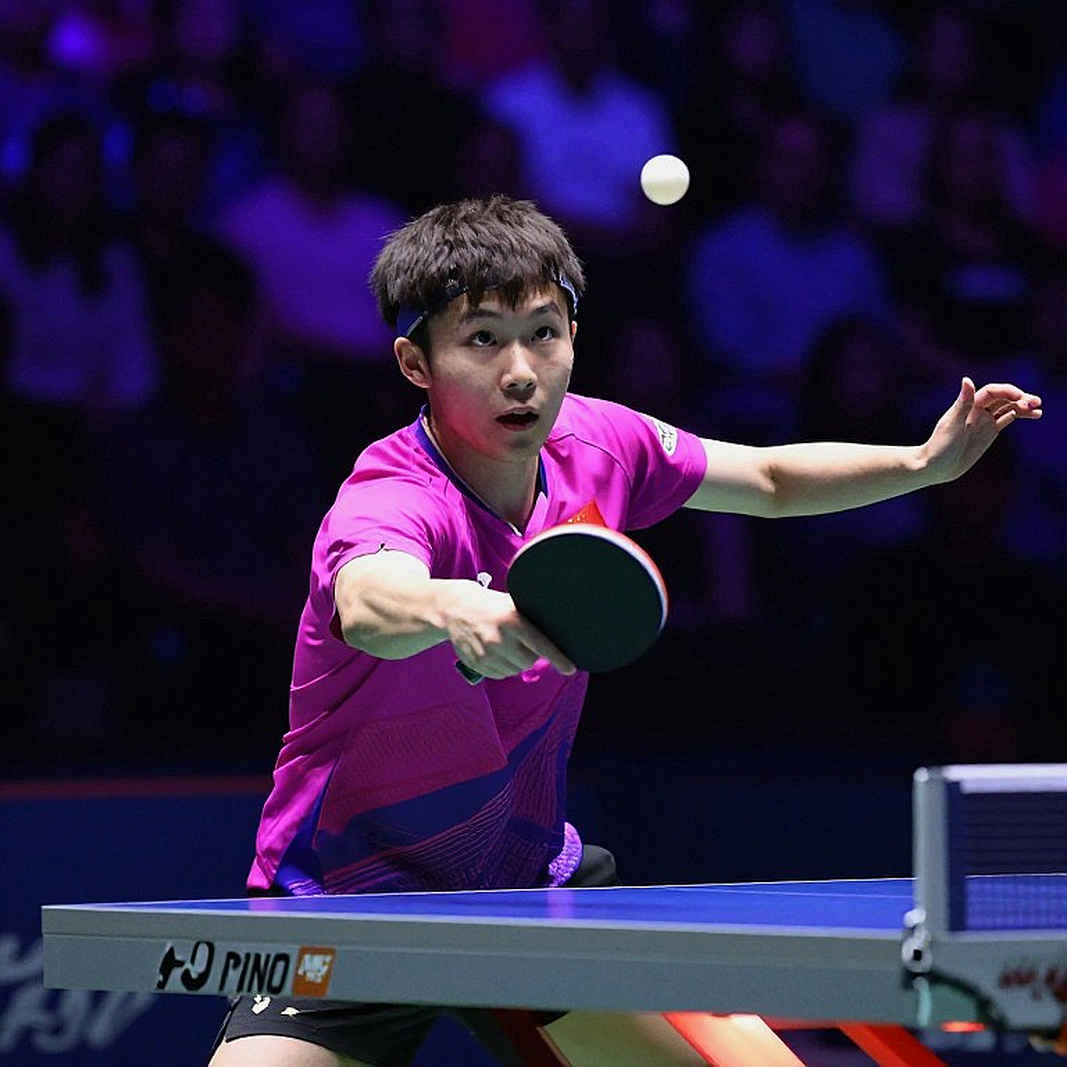
The match between Lakshya Sen and Loh Kean Yew in the men's singles round of 32 at the Asian Games 2026 badminton event ended in a 12-21, 21-15, 14-21 defeat for the Indian shuttler after 70 minutes of play. The result not only means Sen continues to miss out on an individual Asian Games medal but also exposes a familiar tactical issue: his ability to convert early leads into sustained match control remains a persistent weakness against experienced opponents.
Analysis based on the match narrative shows Sen started with real intent. He raced to a 5-1 lead in the deciding game, demonstrating his capacity to apply pressure from the very first rallies. However, Loh Kean Yew, a former world champion, quickly adjusted and strung together 10 consecutive points to turn the match around. This was not the first time in the match that Sen lost his advantage. In the opening game, he also let his opponent pull ahead and lost 12-21. In the second game, Sen played with greater focus, winning 21-15 through sustained pressure and precision in the decisive rallies. But in the third game, the old script returned: Loh led, Sen levelled at 13-14, then the opponent pulled away and sealed the match with a net cord error from Sen himself.
The key lay in error management. In a match where both players possessed comparable technique and physicality, the one who controlled unforced errors better in crucial moments would win. Loh Kean Yew showed remarkable composure: he absorbed Sen's fast starts, weathered the second-game surge, and reasserted control in the decider. Sen, by contrast, despite some highly convincing passages of play, lost focus exactly when it mattered most. The costly errors at the end of the match, finding the net and missing the lines, suggest that mental competitiveness remains a major hurdle for the Indian shuttler.
In context, the defeat is all the more painful because Sen had helped India win team bronze at the Asian Games 2026 just days earlier. Competing continuously at high intensity, transitioning from the team event to the individual draw, must have taken a toll on his physical and mental reserves. However, it is important to stress that this is a plausible hypothesis, as the source provides no specific data on Sen's workload or physical condition before the match. What can be stated with confidence is that Loh Kean Yew, ranked 13th in the world, sits just one place above Sen (14th), and the fact that two top-15 players met in the round of 32 shows the draw was unforgiving for everyone.
More broadly, this loss raises questions about Lakshya Sen's standing in world men's singles. He has won Commonwealth Games 2026 gold, finished fourth at the Paris 2026 Olympics, and claimed Asian Games 2026 team silver. But an individual Asian Games medal has always eluded him. At the mature stage of his career, Sen is regarded as a player who has defined his style and reached his prime, yet defeats in big matches continue to prompt experts to question his ability to handle pressure. Losing a decider after leading is not purely a technical problem; it is a combination of error management, focus, and competitive nerve.
For Loh Kean Yew, this victory is proof of the caliber of a former world champion. He did not need to play flashy badminton or produce spectacular shots; he simply waited patiently for his opponent's mistakes and punished them coldly. That is the style of a player who understands the value of every point in knockout matches. For Sen, the lesson is clear: in a single-elimination format, one lapse over 10 points can be enough to end a medal dream.
Sen's coaching team will certainly analyse this match in detail. The issue is not a lack of technique or fitness, but the way he manages a match when an opponent changes the tempo. Loh showed the ability to adjust tactics after slow starts, while Sen seemingly lacked an effective Plan B when his initial momentum was halted. This is the area he must improve if he is to compete for medals at major events in the future.
There is still much badminton to come at the Asian Games 2026, but for Sen, the individual medal dream is over. The defeat to Loh Kean Yew will be a blemish on the Indian shuttler's career, but it is also a reminder that at the highest level, the gap between victory and defeat is sometimes just a few points, a few decisions, and a little bit of nerve in the decisive moments.
Cầu thủ liên quan
Bài đề xuất
122 Seconds Decide PV Sindhu's Fate at Asian Games 20262026-09-28
Tight Battle: Satwik-Chirag Reaffirm Strength at China Masters, Srikanth Faces Career Crossroads2026-10-26
The Silence Before the Serve: Vietnamese Badminton Through the Annual Season2026-09-15
Vietnamese Badminton and the Data Gap: When Talent Is Priced by Feeling2026-10-15
Kumamoto Masters 2026: Li Shifeng, Shi Yuqi, and the Gap That Has No Name2026-10-03
Three Matches in 18 Hours and a Racket That Wouldn't Lift: PV Sindhu, Chen Yufei, and the Aichi-Nagoya Night2026-09-29
Bài đề xuất
Asian Games 2026: The Treacherous Path of India's Men's Badminton Team After Day One2026-10-05
Asian Games 2026: The Badminton Draw and the Beat Everyone Forgot in Five Days2026-10-09
Behind the Arena Lights: The Quiet Pulse of Vietnam's Badminton Season2026-10-13
Full Scoreboard, Empty Dataset: Nine Layers of Reading a Badminton Match2026-10-26
Nguyen Tien Minh's qualifier win: The 43-year-old veteran and a lesson not found in the rankings2026-09-09
Lakshya Sen at the 2026 Asian Games: a projected path to gold that runs against his own head-to-head record2026-10-24
Bài đề xuất
The Gap After the Smash: What Badminton Heat Maps Cannot Measure2026-09-15
Kumamoto Masters 2026: Shi Yuqi Withdraws, Li Shifeng and the Missing Anchor of China's Men's Singles2026-10-03
An Unsealed Draw, a Medal Already Drawn: Lakshya Sen and the Data Test at Asian Games 20262026-10-17
Asian Games 2026: India Beat Bangladesh 3-0 to Reach Men's Badminton Team Quarter-finals2026-10-18
An Se-young defends 2026 Asian Games women's singles gold: 56-1 and the records that still need verification2026-10-06
Haze, Fines and a Double Standard: Ashmita Chaliha Touches the Fault Line in BWF's Venue Standards2026-09-16
Bài đề xuất
Asian Games 2026: India's Badminton Gamble on a Single Spearhead2026-09-11
Ashmita Chaliha and the Double Standard Question: When a Super 100 Tournament Is Forgotten in the Haze2026-09-04
Decoding Injury in the Badminton Transfer Window: The Tear That Never Appears on the Medical Report2026-10-05
Asian Games 2026: India Women's Badminton Exit Was Not Decided by the 1-3 Scoreline2026-09-23