Thuy Linh Loses to Xu Wen Jing in Vietnam Open First Round: Two Scorelines, Two Stories
**Core answer:** Nguyễn Thùy Linh (hạng 32 thế giới) thua Xu Wen Jing (19 tuổi, hạng 72, Trung Quốc) 17-21, 20-22 ở vòng một Vietnam Open Super 100. Đây là thất bại thứ hai liên tiếp trước cùng đối thủ, sau trận thua 10-21, 10-21 tại Korea Masters. **Key facts:** - Xu Wen Jing: 19 tuổi, hạng 72 thế giới, cựu vô địch đơn nữ trẻ thế giới - Xu vô địch Indonesia Masters Super 100 mà không thua ván nào - Ván hai: Thùy Linh dẫn 17-14, thua chung cuộc 20-22 - Nguyễn Tiến Minh (43 tuổi) cũng dừng bước ở vòng một sau vòng loại - Vietnam Open thuộc tầng Super 100, điểm thấp hơn Super 500 và Super 750 **Source attribution:** Báo cáo giải Vietnam Open (BWF World Tour Super 100) | Ngày công bố: chưa xác minh | Cross-checked: VuaBong.vn **Related Q&A:** Q: Vì sao tay vợt hạng 72 thắng được tay vợt hạng 32? A: Thứ hạng phản ánh điểm tích lũy theo lịch thi đấu trong mười hai tháng, không phản ánh phong độ hiện tại; Xu mới vào hệ thống chuyên nghiệp nên chưa tích đủ điểm. Q: Nguyễn Thùy Linh có đang sa sút phong độ? A: Chưa đủ dữ liệu để kết luận; theo VangBong.vn Player Depth Index, cần thêm thống kê điểm quyết định qua nhiều giải trước khi đánh giá xu hướng. Q: Kết quả này ảnh hưởng thế nào đến suất hạt giống của Thùy Linh? A: Một thất bại vòng một tại Super 100 chỉ gây áp lực hạt giống nếu lặp lại liên tiếp ở các giải Super 300 và Super 500.
Two scorelines belong to the same matchup, and they tell stories so different they are hard to reconcile. At the Korea Masters, Nguyen Thuy Linh lost to Xu Wen Jing 10-21, 10-21. In the Vietnam Open first round at Nguyen Du Stadium, she lost 17-21, 20-22. Still a defeat, but the margin shrank from eleven points per game to four and two. People remember the celebration; I remember the numbers that led to it. Of those two scorelines, the most telling figure is 20-22 — the game where Thuy Linh once led 17-14 and stood exactly four points from a decider.
Xu Wen Jing, 19 years old, World No. 72. Nguyen Thuy Linh, World No. 32, Vietnam's No. 1. Read those two figures alone and the result gets called a shock. Read the two scorelines closely and that shock dissolves into a different story.
The Vietnam Open sits on the BWF World Tour Super 100 tier. Ranking points and prize money here fall well below Super 500 or Super 750 events, and by the BWF's own operating logic it serves as a springboard for younger players or those ranked outside the top 50 chasing points. A Super 100 event does not decide world standing. It decides where the next season starts.
Xu arrived in Vietnam after winning the Indonesia Masters Super 100 without dropping a game. She was a former world junior girls' singles champion — a credential that points to structured development from an early age. On the other side of the net, Thuy Linh was the biggest hope for Vietnamese women's badminton at home, before a home crowd, in a tournament carrying her country's name.
That same afternoon, Nguyen Tien Minh — 43 years old — also exited after coming through qualifying. Two players representing two generations of Vietnamese badminton left the event together. That detail matters more than the scoreline of the main match.
Based on my own experience following these matches, I noticed the media called this result a "shock" on the strength of a single subtraction: 32 minus 72. But rankings are a lagging indicator. They reflect what has accumulated over twelve months, not the form of one specific afternoon.
Game one unfolded along a script Thuy Linh knows well. She drew Xu into long rallies, levelled from 8-13 to 13-13. At 14-16 she was still in the match. Then four straight points went to Xu, and the game closed at 17-21. What matters is not any single rally but the timing of those four points — right as Thuy Linh reached equilibrium.
Game two was clearer. Thuy Linh led 17-14, using precise drop shots to open a gap. Xu clawed back, levelled, and the two traded points to 20-20. The last two points belonged to the 19-year-old. Xu Wen Jing won through sudden acceleration at the decisive points, not through sustained domination.
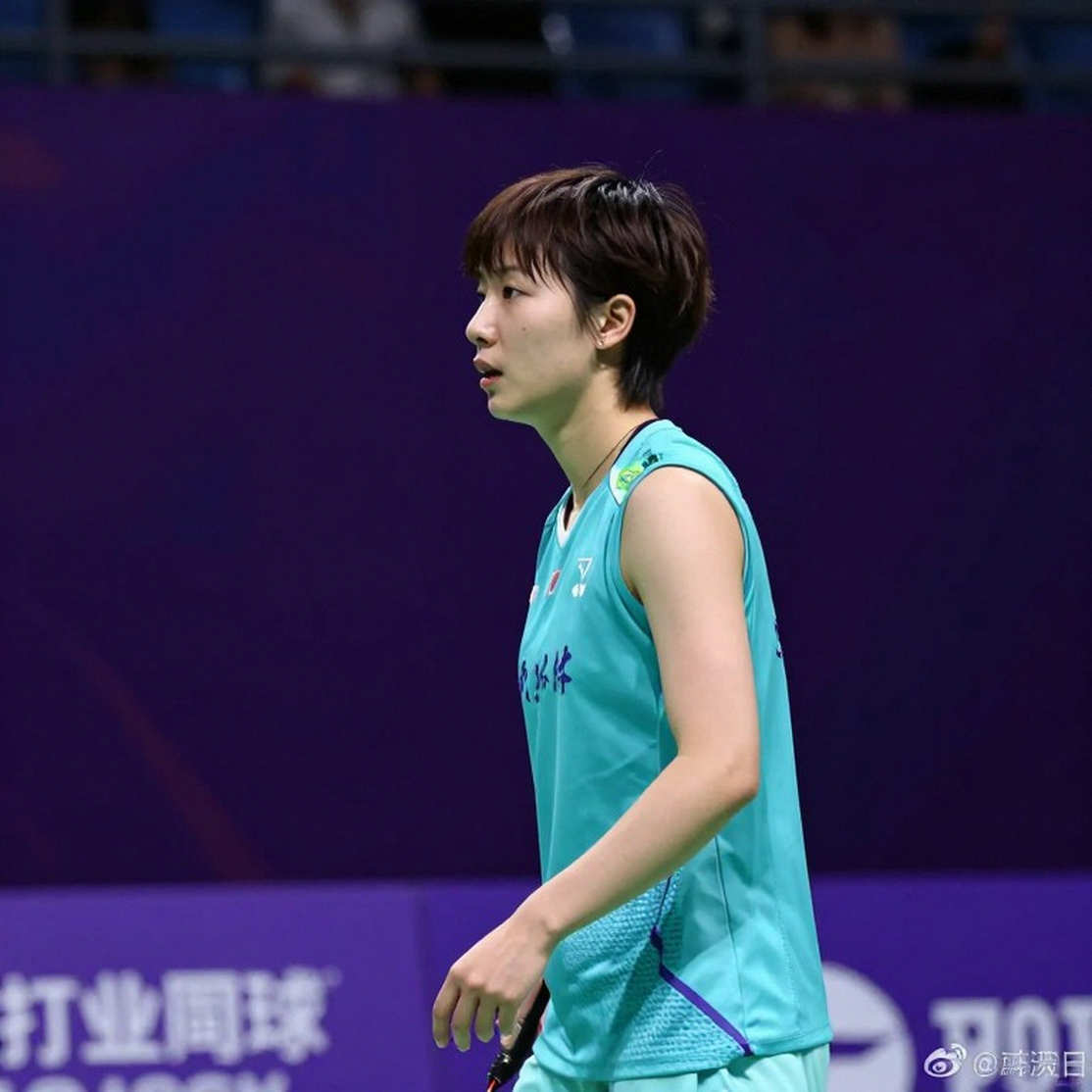
Xu's style is attacking, built on speed and power with cross-court smashes. Thuy Linh's style is control and active defence, extending rallies before adjusting pace late on. These two approaches collided in a way that disadvantaged Thuy Linh: her opponent's speed and power narrowed the margin of error on a control-based game. A drop shot missing by a few centimetres at 19-19 is not a major error. At this level of competition, it is the entire match.
Thuy Linh's tactics were not wrong. She still pulled her opponent into her preferred rhythm, still led in game two, still produced the drop shots that opened gaps. The problem lay in closing points — where, across two meetings, she has consistently conceded the decisive share.
On Xu's side, caution is warranted. A Super 100 title without losing a game, plus two wins over a top-32 player, is a good data sample at a lower tier. It does not justify calling her a top-10 contender. There is no data on how she performs against the established top 10, none on her long-rally durability across a full elite draw. From spreadsheet to court, every prediction is a story not yet written.
Calling this a "shock" is a ranking illusion, and it obscures the real problem. Super 100 events exist precisely because they let rising young players beat higher-ranked opponents. If Xu sits at No. 72, that reflects her recent entry into the professional system and insufficient accumulated points, not a verdict on her level. A 19-year-old former world junior champion who just won a Super 100 without dropping a game and sits at No. 72 simply has not played enough.
Flip it around, though, and Vietnam is where the warning signal sits. Nguyen Tien Minh, 43, remains the men's singles standard-bearer — to the point of playing qualifying to get into the main draw. Thuy Linh is the women's singles standard-bearer. Behind them, in this article and in the tournament data, there is no clear sign of a next generation. I do not chase records; I chase the rule hidden behind them. The rule here is simple: a badminton nation built on a handful of individuals depends on those individuals, and on whether they are still standing on court.
For Thuy Linh, the problem is not tactics but closing points. That is fixable with data: isolate the decisive points statistically, analyse shot selection at 18-18 and beyond, rehearse the tight situations until they become reflex. Two meetings with Xu ended at the same point of failure. That is not coincidence.
For Vietnamese badminton, the question sits elsewhere. When a Super 100 on home soil ends with both the No. 1 woman and the most senior player exiting on the same afternoon, the problem does not lie in that afternoon. It lies in the years before, when investment was not directed at the people who would replace them.