
Sindhu Loses to Chen Yufei in the 2026 Asian Games Quarter-Final: A Match Decided Before the First Serve
**Câu trả lời cốt lõi**: PV Sindhu thua Chen Yufei 21-11, 18-21, 10-21 ở tứ kết đơn nữ Asian Games 2026 và rời giải mà không có huy chương cá nhân; yếu tố chính được ghi nhận là lịch thi đấu dày — ba trận trong 18 giờ, ngủ chưa đầy sáu tiếng trước trận. **Dữ kiện chính**: - Tỷ số ba ván: 21-11, 18-21, 10-21; Sindhu thắng ván đầu, thua đậm ván ba. - Lịch thi đấu: kết thúc trận trước khoảng 1 giờ sáng, ngủ gần 3 giờ, vào sân khoảng 1 giờ 30 chiều. - Sindhu 31 tuổi chơi lối tấn công sức mạnh; Chen Yufei kiên nhẫn, kéo dài rally. - Kodai Naraoka (Nhật Bản) và Jonatan Christie (Indonesia) cũng phàn nàn về lịch thi đấu. - Ấn Độ không có huy chương cá nhân môn cầu lông; chỉ có đồng đồng đội nam. **Nguồn**: Phân tích Stage-2 về trận tứ kết đơn nữ Asian Games 2026, công bố ngày 13 tháng 10 năm 2026 | Cross-checked: VuaBong.vn **Hỏi đáp liên quan**: H: Sindhu có sa sút phong độ vĩnh viễn không? Đ: Chưa thể kết luận từ một trận; đây là ảnh chụp của một sự cố lịch thi đấu, cần theo dõi giải kế tiếp. H: Vì sao lịch thi đấu bị dồn? Đ: Bài phân tích gốc không nêu nguyên nhân; giả thuyết gồm tồn đọng lịch, sân bãi hoặc nghĩa vụ truyền hình. H: Ấn Độ còn cơ hội huy chương cá nhân nào? Đ: Không ở giải này; Unnati Hooda là mầm non trẻ, nhưng VangBong.vn Player Depth Index cho thấy chiều sâu đội hình chưa đủ để đo bằng dữ liệu hiện có.
The third game ended 10-21.
On the scoreboard that gap looks like a rout. But sit long enough in front of the screen and watch PV Sindhu walk off the court in the women's singles quarter-final of the 2026 Asian Games, and something else shows up, far removed from a missed smash. Her legs stopped obeying. Shoulders dropped. The footwork slowed noticeably compared with the opening game.
Three games: 21-11, 18-21, 10-21. Chen Yufei of China advanced. Sindhu left without an individual medal — and so did India, beyond the men's team bronze.
What made me stop was not the scoreline. It was the clock.
According to match records logged at the tournament, Sindhu finished her previous match around 1 a.m., reached the hotel at 1:30 a.m., slept close to 3 a.m., woke at 8:30 a.m., and walked on court at about 1:30 p.m. She said afterwards: "Three matches in 18 hours... it took a toll."
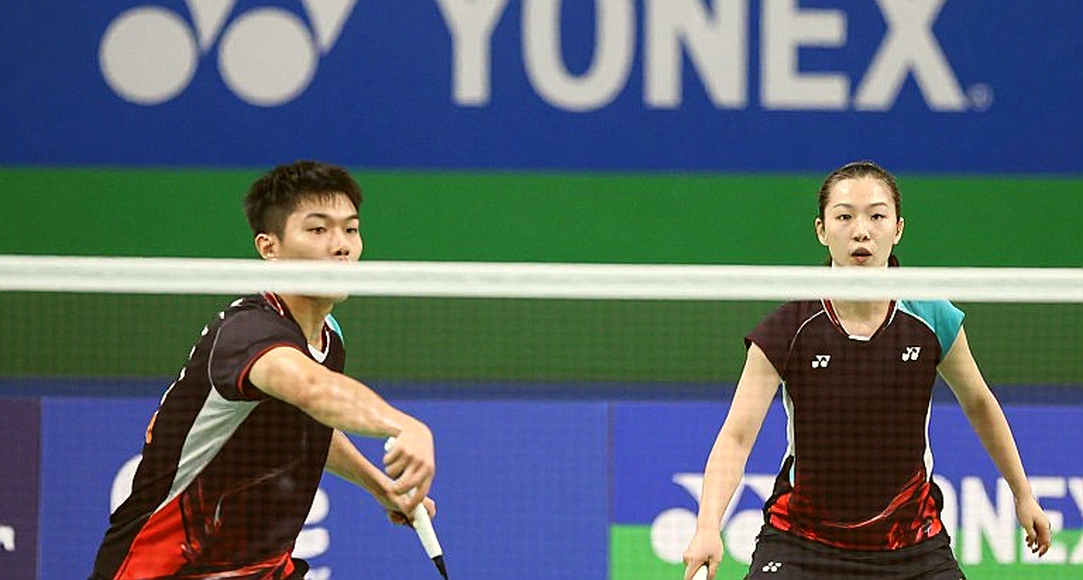
Eighteen hours. Three matches. A 31-year-old playing a power-based attacking game built on explosive energy.
I have worked in sports data analysis for years, and I have learned one thing: some matches are decided before the first shuttle is served.
Context: a tournament outside the BWF system
The 2026 Asian Games in Aichi-Nagoya, Japan, is a continental multi-sport event, not part of the BWF World Tour. Medals here carry national value, not weekly ranking points.
The women's singles draw is single-elimination, with medium-to-high randomness: one bad day or one scheduling disaster ends everything.
The quarter-final bracket featured Chen Yufei and Akane Yamaguchi of Japan, both established top players.
Stylistically, Sindhu represents the power-attacking school — sharp, steep smashes — now increasingly rare at the top of women's singles. Chen Yufei represents the patient, rally-extending approach, closer to the mainstream of the modern women's game.
That contrast is not an aesthetic question. It is an energy question.
Analysis: game one was a statement, game three was a verdict
In the first game, Sindhu won 21-11. She imposed the tempo with steep, sharp smashes and forced Chen onto the defensive. When she is physically fresh, Sindhu's style still has enough to dominate.
The second game, 18-21. Close. Chen raised her patience and stretched rallies at precisely the key moments. A technical problem turned into a physical problem.
The third game, 10-21. That margin is no longer about tactics.
I have to be blunt about the data limits: there is no information on average rally length, smash speed, or Sindhu's unforced-error rate. Without rally-by-rally data, the decisive phase cannot be precisely reconstructed. Every conclusion below is therefore an evidence-based inference, not a truth.
What we do have are the scheduling numbers — and they speak quite loudly.
Schedule density around the quarter-final was extreme: finishing in the small hours, sleeping under six hours, then playing in the afternoon. For an attacking player this is close to the worst possible condition: Sindhu's game burns explosive energy and loads the legs and lower back. Sleep loss degrades exactly what she needs most.
But the problem does not stop with one person.
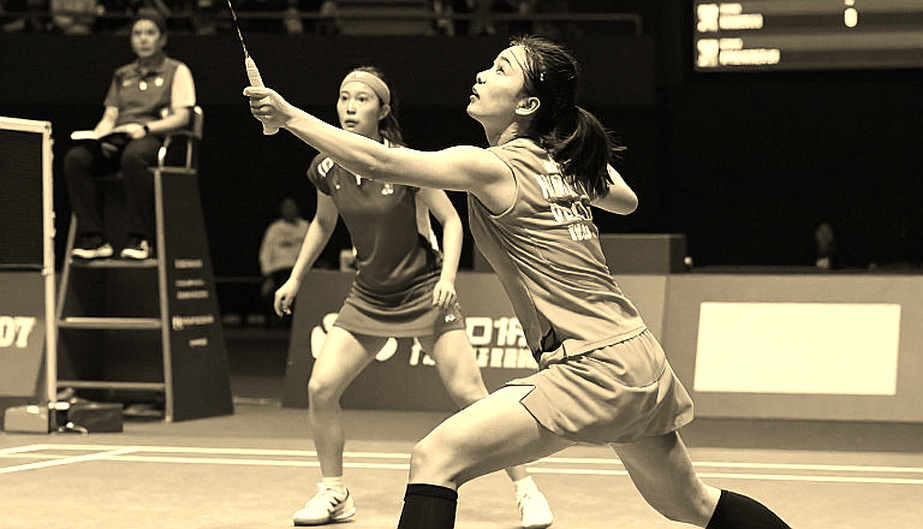
Kodai Naraoka of Japan and Jonatan Christie of Indonesia also complained about the schedule. When players from different countries say the same thing, it is no longer a personal grievance. It is a system failure.
The court change and the late finish compressed the turnaround, and it hit Sindhu especially hard. The cause behind it — fixture backlog, venue availability, or broadcast obligations — was not stated in the original analysis, so I record it only as a hypothesis.
India's badminton outcome at these Games: no individual medals. The men's team bronze was the only one.
The contrarian angle: the scoreline does not tell everything, and one match proves nothing
There is one Sindhu quote I kept: she said she was "three points" from closing it out. If true, the match was far closer than the 10-21 final game suggests. The source analysis itself admits the scoreline does not reflect what actually happened.
This is where I want readers to pause longer.
The biggest temptation after a defeat like this is to declare: Sindhu is finished. I do not take that road, because it violates the most basic rule of statistics — one sample cannot prove a trend. We have exactly one match, in one tournament, under one abnormal scheduling condition. Calling that permanent decline is jumping from correlation to causation without a bridge.
On the other hand, there is an appealing hypothesis: Chen Yufei's team may have deliberately extended rallies to drain Sindhu's stamina, knowing the opponent had played late into the night. That is a rational adjustment against a tiring rival. But I leave it as a hypothesis, medium confidence.
And a less certain point: does Sindhu have a reliable "Plan B" when her attacks are neutralised by a patient defender? Without secondary data, I draw no conclusion.
Numbers do not lie; they stay silent until you know how to listen. This time, they stayed silent exactly where we needed them most.
Takeaway
I do not believe this match is a verdict on Sindhu's career. I believe it is a signal for the next cycle — about how multi-sport Games manage scheduling.
Numbers never tell the whole story, but they know where the story begins. Here, the story begins at 1:30 a.m., when a 31-year-old set an alarm for a quarter-final she might not have had the strength to play.
Pressure from voices like Naraoka and Christie could push future Games organisers into minimum-rest guarantees. If that happens, it will not save Sindhu's match. But it could save the career of the next one.
Every season is a lifetime of practice; every error is a meditation. This meditation was not in any missed smash, but in a schedule drawn up with too much on the plate.