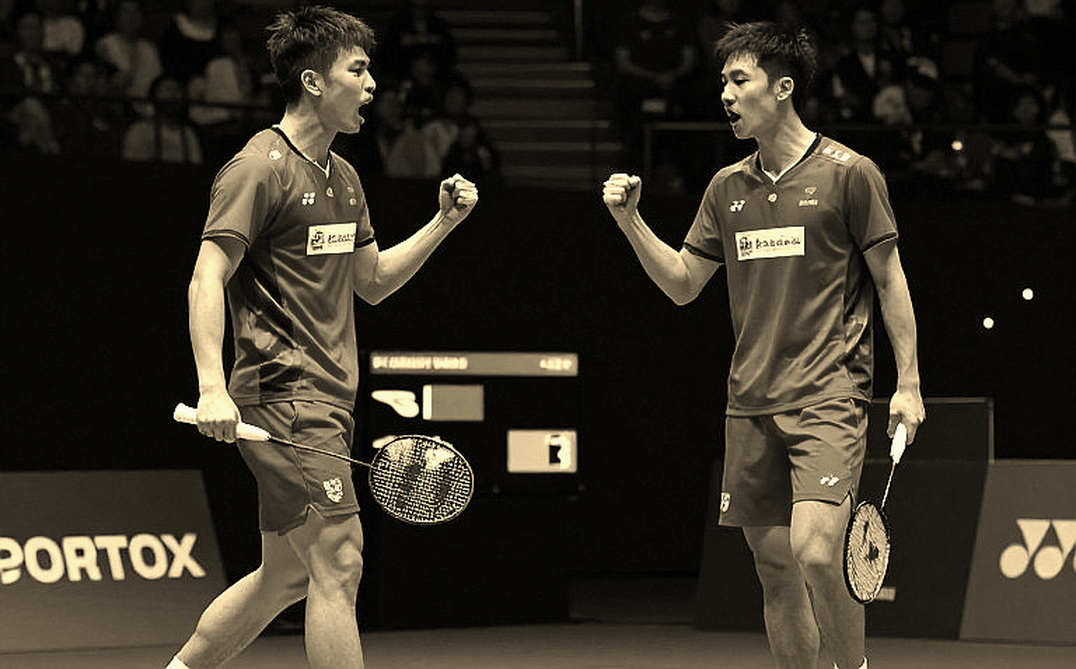
Badminton Draw at 2026 Asian Games: India Projected to Face Japan in Quarter-finals, Korea in Semi-finals
Lễ bốc thăm môn cầu lông đồng đội tại Đại hội Thể thao châu Á 2026 đã đưa Ấn Độ vào nhánh đấu khó khăn, khi cả đội nam lẫn đội nữ đều được dự báo chạm trán Nhật Bản ở tứ kết. Ở nội dung nữ, đội Ấn Độ cần vượt Kazakhstan trước khi gặp hạt giống số hai Nhật Bản. Ở nội dung nam, đường đấu dự kiến đi qua Nhật Bản ở tứ kết và Trung Quốc ở bán kết. Thể thức loại trực tiếp không có vòng bảng khiến mọi sai lầm đều phải trả giá ngay lập tức. Lịch thi đấu diễn ra vào ngày 20-21 tháng 9, chỉ khoảng 24 giờ sau lễ bốc thăm. Đội nam Ấn Độ từng giành huy chương bạc tại kỳ đại hội trước, trong khi đội nữ dừng chân ở tứ kết sau thất bại 0-3 trước Thái Lan. PV Sindhu được xem là nhân tố trung tâm của đội nữ Ấn Độ. Cục diện hạt giống phản ánh vị thế thống trị của cầu lông châu Á, khi gần như toàn bộ cường quốc thế giới đều tập trung tại đấu trường này.
The Team Badminton Bracket at the 2026 Asian Games
The badminton team event draw for the 2026 Asian Games (Aichi-Nagoya, Japan) was officially conducted on Saturday, September 19. The draw results present a pathway described as difficult for the Indian contingent, with both the men's and women's teams projected to face Japan in the quarter-finals. This information is pivotal for the medal landscape in badminton at this edition of the Games, given that the competition format is straight knockout with no group stage, meaning every mistake carries the ultimate price of immediate elimination.
Competition Format and the Harsh Reality of the Draw
According to the announced format, the team event will be played in a straight knockout structure. This means there is no round that allows teams to correct errors or accumulate points. Every encounter is a do-or-die match, and the draw becomes a decisive factor in each team's chances of advancing deep into the tournament. With the seeding structure applied by the organizers, the strongest teams are separated to avoid early collisions, while unseeded or lower-ranked teams are forced to face top opponents from the earliest rounds.
For the Indian contingent, the consequences of this structure are crystal clear. In the women's team event, China holds the top seed, while Japan occupies the second seed. In the men's team event, Indonesia is the top seed, China is the second seed, and Japan falls within the third-to-fourth seed group. This means India, not being a top seed, is forced to face one of the strongest teams as early as the quarter-finals.
The schedule has also been confirmed with considerable intensity. The women's team plays on September 20, while the men's team competes on September 21. The window between the draw and the first match is barely 24 hours, leaving very little room for tactical adjustments or contingency planning. Teams must essentially prepare for every possible match-up in advance, as there is no time for thorough opponent analysis after learning the draw results.
Analysis of India's Path
In the women's team event, India sits in a half of the draw that includes Japan, the second seed, which received a bye into the quarter-finals. This means the Indian women's team must overcome Kazakhstan in the opening round, and if successful, will face Japan in the quarter-finals. Theoretically, to secure a spot in the medal rounds, the Indian women's team will need to produce one of the biggest upsets of the tournament right at the quarter-final stage.
In the men's team event, the picture is even harsher. The Indian men's team is placed in a half of the draw that includes Japan, China, and Korea. Their projected path includes a quarter-final against Japan, and if they advance, they will likely face China in the semi-finals. This is considered the most difficult route in the entire men's team draw.
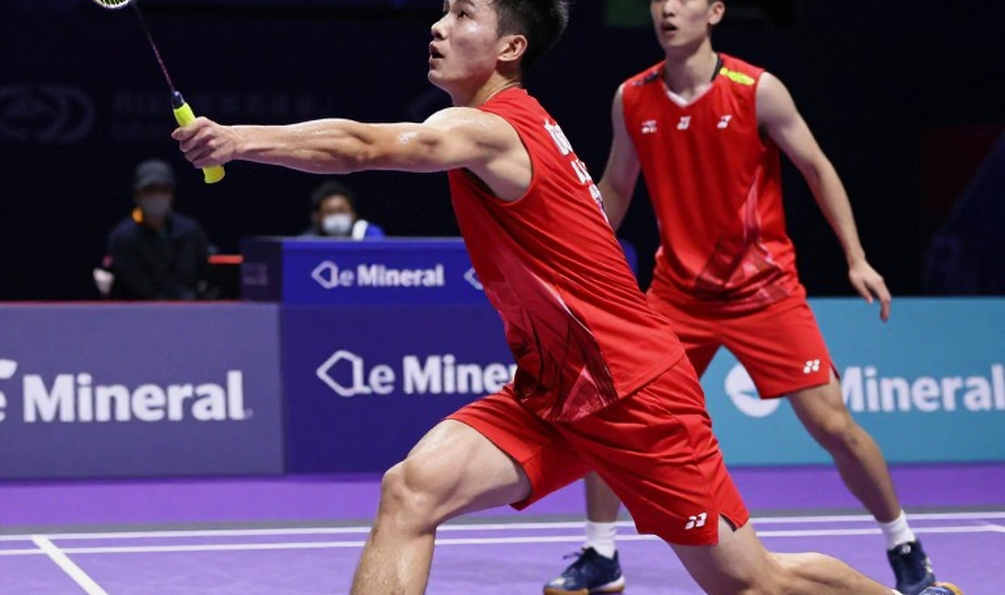
One notable point is that Japan appears as a seed in both events, both as the second seed in the women's event and within the third-to-fourth seed group in the men's event. This reflects the genuine depth of Japan's badminton development program, as they possess strong squads in both genders rather than relying on a few isolated stars. For India, having both teams face Japan in the quarter-finals means their direct opponent is one of the most consistently stable badminton programs on the continent.
Historical Context and Expectations
Historical information plays an important role in shaping expectations for this edition of the Games. At the previous Asian Games held in Hangzhou, the Indian men's team won silver, a result that marked the pinnacle of Indian men's badminton at the continental level. Meanwhile, the Indian women's team reached the quarter-finals but lost to Thailand 0-3, a dominant defeat that revealed the gap in the doubles disciplines. Overall, the Indian badminton contingent at the previous Games won one gold, one silver, and one bronze.
These historical data points establish a certain expectation baseline. The Indian men's team is in a position of defending a medal-level standard, while the women's team is trying to break through a quarter-final ceiling. However, both objectives face structural obstacles from the draw. The women's 0-3 loss to Thailand at the previous Games is an early warning signal, showing that the systemic weakness of Indian women's badminton lies in the doubles disciplines, where squad depth is not yet sufficient to compete with the top teams on the continent.
One factor that cannot be overlooked is the presence of PV Sindhu, the brightest star of Indian women's badminton. Her appearance in related content indicates her central role in the Indian women's team campaign at this edition of the Games. As one of the top players in the world, Sindhu is expected to lead the women's team through the challenges ahead. However, badminton is a team sport in this event, and the strength of one individual can hardly compensate for limitations in other disciplines.
The Power Landscape of Asian Badminton
The seeding structure at this edition of the Games faithfully reflects the power landscape of Asian badminton. In the men's team event, Indonesia and China hold the top two seeds, while Japan and Korea are in the next seed group. In the women's team event, China and Japan are the first and second seeds, while Korea and Chinese Taipei are in the third-to-fourth seed group. India, along with Thailand, Malaysia, and Hong Kong, belongs to the chasing pack.
It is worth noting that nearly all of the world's badminton powers come from Asia. Except for Denmark, no country outside this continent can compete at the highest level of badminton. This means the Asian Games is effectively a stage with a competitive quality nearly equivalent to world championships. A medal here is therefore worth as much as an achievement on the world stage, and the assessment of a difficult draw is not media exaggeration.
In this context, India is positioned as the strongest team in the chasing pack in the men's event but faces a quarter-final ceiling in the women's event. This position stems from the development model of Indian badminton, where strength in singles disciplines exceeds depth in doubles. The women's 0-3 loss to Thailand at the previous Games is the clearest evidence of this model, as the Indian team was defeated in precisely the disciplines predicted to be its weakness.
Risks and Challenges
The biggest risk for India at this edition of the Games is structural in terms of the draw path, not a form issue. Even if the Indian players are in their best form, they still face one of the most difficult brackets possible. In the women's event, facing Japan in the quarter-finals significantly narrows the chance of winning a medal. In the men's event, the projected path through Japan in the quarter-finals and China in the semi-finals is described as a successive gauntlet against top seeds.
The knockout format combined with a short preparation window creates a high degree of variance. With no group stage and only about a day between matches, a single underperforming discipline, especially in the doubles rubbers, could eliminate India before its singles strength is fully expressed. This is a scenario that has already happened to the Indian women's team at the previous Games, when they lost to Thailand 0-3 without mounting any significant resistance.
The media narrative surrounding the draw also poses a risk in terms of expectation management. The framing of a difficult draw could inadvertently create a pessimistic mood before the tournament, or conversely, create unnecessary pressure on key players. The focus on a star like PV Sindhu further increases the risk of concentrating pressure on one individual, while success in the team event requires balanced contributions from all members.
Overall Assessment and Outlook
Synthesizing the analytical factors, it is clear that this is a structural challenge for Indian badminton at the 2026 Asian Games. The paths of both teams are limited by the draw, with Japan as the common quarter-final opponent, and the men's team also facing a possible encounter with China in the semi-finals. Meanwhile, the knockout format allows no delay or error.
For the women's team, the realistic goal should be set at competing in every match and optimizing the doubles disciplines, rather than expecting a medal. For the men's team, defending the silver medal from the previous Games is an ambitious target that requires overcoming two top seeds just to reach the gold medal match. Both teams need to prepare psychologically for the toughest matches while building ready tactical options for multiple match-up scenarios, as the time from the draw to competition is too short for proper adjustments.
More broadly, this draw result once again confirms the dominance of Asian badminton on the world map. The concentration of nearly all badminton powers in a single tournament makes the Asian Games one of the most grueling stages any national team can participate in. For India, this is both a challenge and an opportunity to assert its position among the countries with developed badminton programs, if they can produce surprises against higher-rated opponents.