
China Sets Two Gold Medal Target in Badminton at 2026 Asian Games Amid Injury Storm and Coaching Changes
Trung Quốc đặt mục tiêu 2 HCV cầu lông tại Asian Games 2026 tại Aichi-Nagoya, Nhật Bản, giữa bối cảnh chấn thương và thay đổi ban huấn luyện. Mục tiêu này thấp hơn thành tích lịch sử (3-4 HCV) và phản ánh sự thận trọng trước khó khăn. - Đội tuyển Trung Quốc đối mặt với chấn thương của một số VĐV không rõ tên và thay đổi nhân sự ban huấn luyện. - Asian Games 2026 diễn ra tại Nhật Bản, nơi chủ nhà có lợi thế sân nhà và là đối thủ mạnh. - Lịch thi đấu dày đặc khi Asian Games 2022 bị hoãn sang 2023, tạo áp lực thể lực cho VĐV. - Mục tiêu 2 HCV có thể là chiến lược quản lý kỳ vọng và giảm áp lực truyền thông. Nguồn: BadmintonPlanet.com, không phải kênh chính thức của BWF hay Hiệp hội Cầu lông Trung Quốc. Q: Mục tiêu 2 HCV của Trung Quốc có phải là thấp? A: So với thành tích 3-4 HCV gần đây, đây là mục tiêu thận trọng. Q: Những rủi ro chính của đội tuyển Trung Quốc là gì? A: Chấn thương, thay đổi ban huấn luyện và lịch thi đấu dày đặc. Q: Đối thủ chính của Trung Quốc tại Asian Games 2026 là ai? A: Nhật Bản (chủ nhà), Hàn Quốc, Indonesia và các nền cầu lông mạnh khác của châu Á.
China, Asia's number one badminton powerhouse, has announced a target of two gold medals at the 2026 Asian Games in Aichi-Nagoya, Japan. This figure comes from an unofficial source, BadmintonPlanet.com, and immediately raises questions about the true ambition of the Chinese badminton team amid injuries and coaching changes. As an analyst who has closely followed international badminton tournaments for many years, I see this as no ordinary target. It reflects calculated caution and reveals underlying risks the team is facing.
The 2026 Asian Games will be held in Aichi-Nagoya, Japan. It is Asia's largest multi-sport event, gathering thousands of athletes from across the continent. For badminton, the Asian Games has always been a prestigious arena where powerhouses like China, Japan, South Korea, Indonesia, Malaysia, Chinese Taipei, Thailand, and India compete fiercely. Unlike BWF World Tour events, the Asian Games is about national representation and is seen as a measure of a nation's sporting prestige. A gold medal here not only brings individual glory but also contributes to the delegation's standing in the medal table.
China has long asserted its dominance in badminton at the Asian Games. In recent editions, China has typically won 3 to 4 gold medals, sometimes sweeping most events. However, the target of 2 golds for 2026 represents a significant adjustment. This signals that the team is facing certain difficulties, both in personnel and tactics. The announcement of this target, even from an unofficial source, partly reflects the team's preparation atmosphere ahead of the Games.
Injuries: A Thorny Issue
Information from BadmintonPlanet.com indicates that the Chinese national badminton team is dealing with injuries to some athletes. However, the report does not specify names, numbers, or severity. This makes impact assessment difficult. Based on my experience following matches, when a team reports injuries during preparation for a major event, it usually means at least one key player is seriously affected. Injuries to key players not only affect their participation but also disrupt the entire tactical plan.
In badminton, injuries can stem from various causes: overload due to a packed schedule, knee, ankle, shoulder, back, or muscle problems. For an elite athlete, even a minor injury can reduce performance, especially in fast movements, jump smashes, and rotations. If multiple players are injured, China's collective strength—built on squad depth—will be significantly diminished.
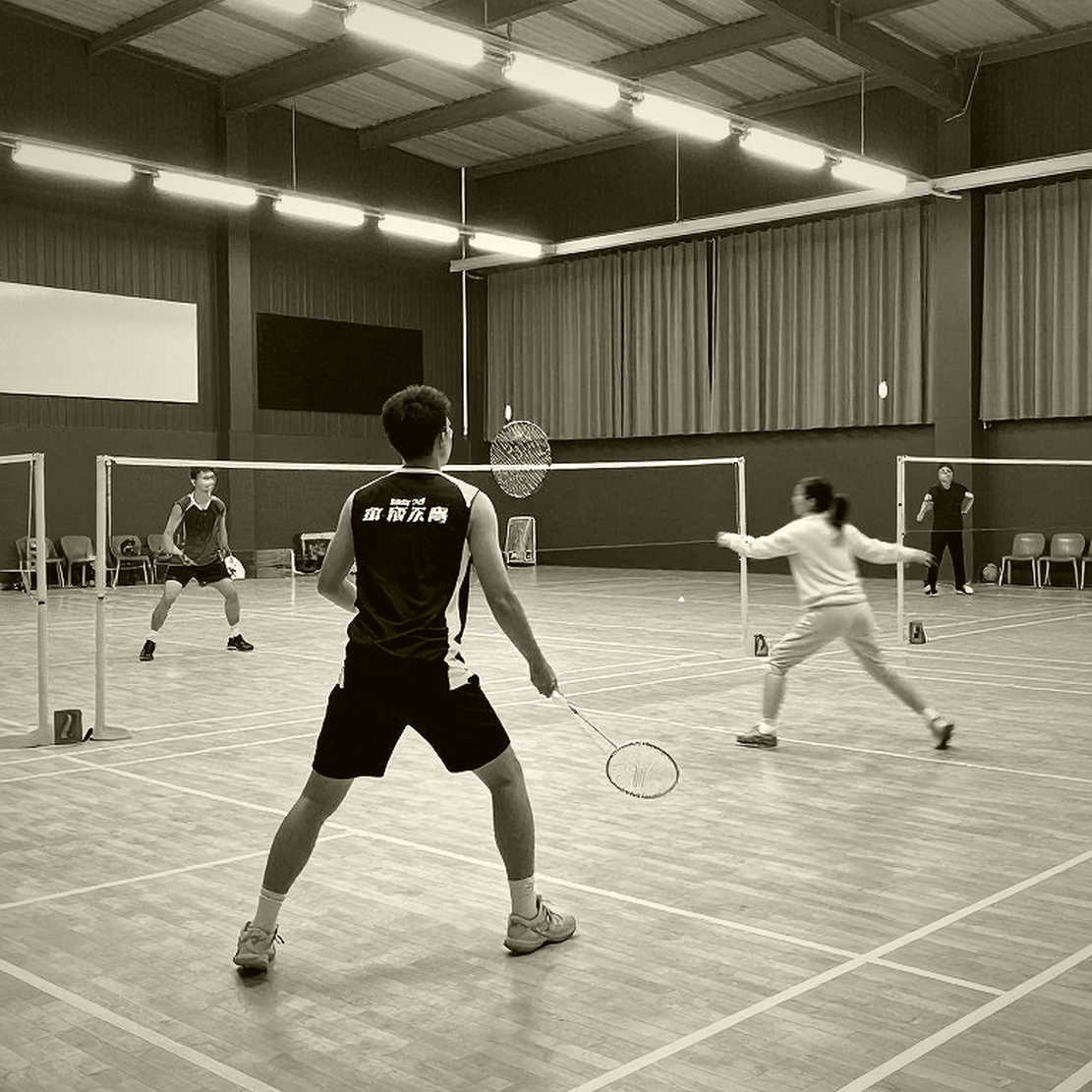
The Chinese team usually enjoys an advantage in the number of high-quality players across all events. However, when several players are injured simultaneously, that advantage disappears. The absence of key players forces the coaching staff to recalculate the lineup, possibly promoting young players or changing pairings in doubles. This is a significant challenge as the Asian Games demands stability and experience.
Numbers don't lie. But they are extremely good at selecting the truth. In this case, we only have very vague injury information—no player names, no injury details, no recovery timeline. This makes any analysis speculative. However, the fact that injuries are in the headline alongside coaching changes suggests this is a serious issue, enough for management to lower the gold medal target.
Coaching Changes: Tactical Disruption
Alongside injuries, news of coaching changes is also concerning. Although names are not given, changing coaching personnel during the final stretch before an Asian Games is worrying. In elite sports, especially badminton, the coaching staff plays a key role in building tactics, selecting pairings, and managing player psychology. A change can break the continuity of the tactical system, forcing players to adapt to new methods.
China's centralized training system is known for high discipline and strong opponent analysis. However, this system also has a weakness: it relies heavily on key coaches. When an important coach leaves or is replaced, the impact can spread across the team, from training methods to lineup decisions to opponent analysis. If the change is due to poor previous results, it can create significant psychological pressure on both the new coach and the players.
In the context of injuries, the coaching staff's role becomes even more critical. They must balance ensuring player health with maintaining training intensity, while deciding whether to risk using players who are not fully recovered. A new coaching staff, with limited time working with the players, may struggle to make such decisions.
The 2026 World Cup taught me that every system can be dismantled. This holds true for badminton as well. A centralized system, no matter how strong, can be affected when key personnel change. The coaching change could be part of a generational transition or a reaction to poor results. Either way, it creates uncertainty.
The Two-Gold Target: A Number That Speaks
The two-gold target is a thought-provoking number. Historically, China has won more than 2 badminton golds at the Asian Games. At the 2026 Asian Games in Jakarta-Palembang, China won 3 golds (men's team, women's doubles, mixed doubles). At the 2026 Asian Games held in Hangzhou in 2026, China won 4 golds (men's team, women's singles, women's doubles, mixed doubles). Setting a target of 2 golds for 2026 is clearly a step back in ambition, at least publicly.
This can be understood as an expectation management strategy. By announcing a low target, the Chinese team is reducing pressure from media and fans. If they win 2 golds, it's mission accomplished. If they win more, it's overachievement. This is a cautious approach, fitting the nature of a systematic sports nation like China.
However, the two-gold target could also reflect a realistic assessment of the team's current form. With injuries and coaching changes, management may have lowered their gold medal forecast. Rivals like Japan (host), South Korea, Indonesia, and Chinese Taipei are all improving. Japan will have home advantage, while South Korea and Indonesia are always strong in doubles. Therefore, winning 2 golds could already be a notable achievement.
In Shenzhen, I saw data replace intuition. The results are not always prettier. A low target can help reduce pressure, but it can also reduce motivation if players feel the team no longer believes in them. Balancing expectations and reality is an art.
Opponent Landscape: Host Japan and Other Powers
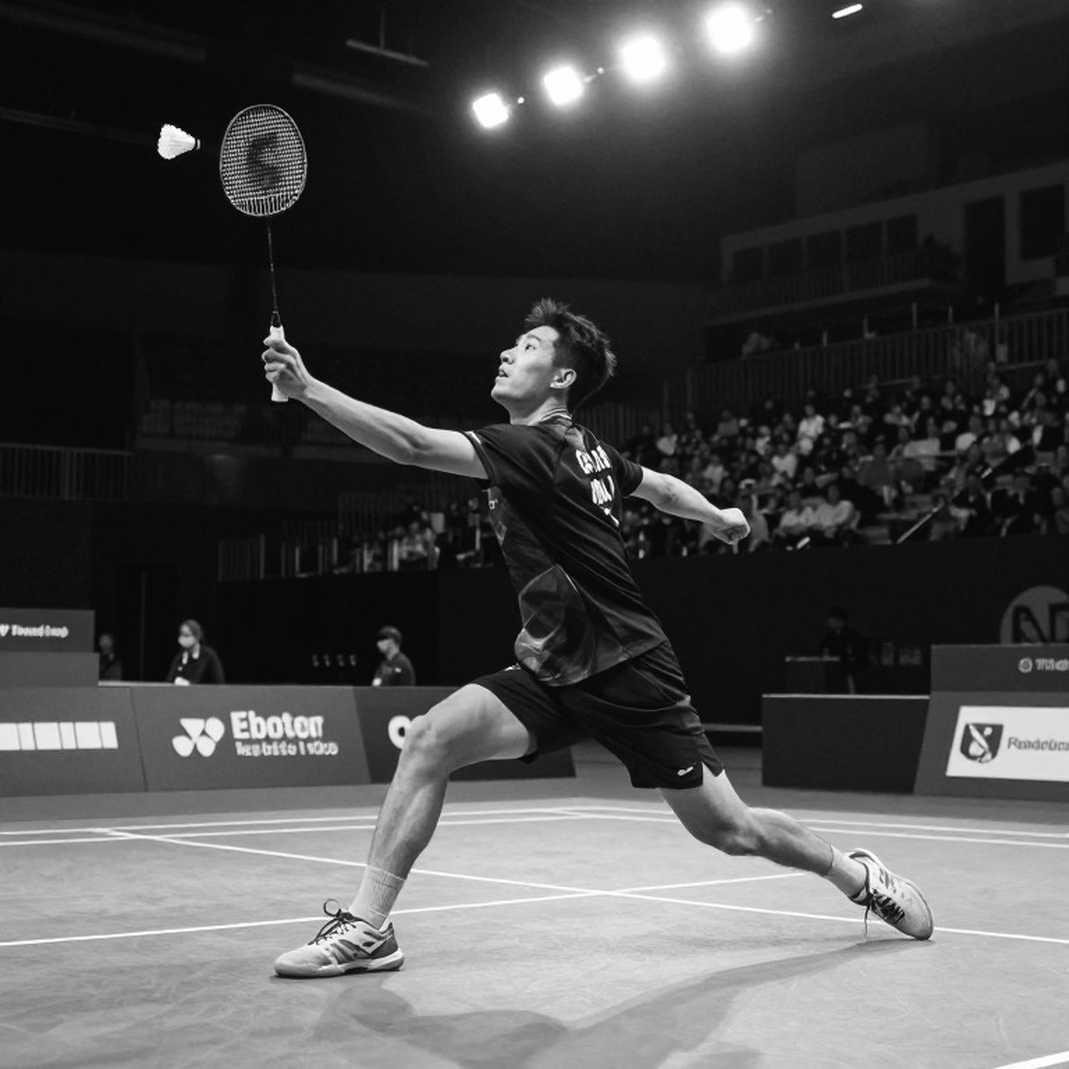
The 2026 Asian Games will be held in Japan, and the host nation will certainly be a formidable opponent. Japan has a strong badminton tradition, with world-class players in both singles and doubles. Home advantage, home crowd, and familiarity with conditions will be additional factors. In recent years, Japan has significantly closed the gap with China.
South Korea is another Asian powerhouse, especially in doubles. Korean men's, women's, and mixed doubles pairs frequently reach finals. Indonesia, with its long badminton tradition, is also a strong contender in men's doubles. Malaysia, with talented players, can always spring surprises. Chinese Taipei, Thailand, and India are also making great strides.
This means the Asian Games is by no means easy for China. Unlike world championships, the Asian Games brings together almost all top badminton nations except Denmark. Thus, it can be considered a mini world championship with extremely high competitive density. China's two-gold target, in that context, is reasonable but far from easy.
Packed Schedule: Physical Pressure
Another factor to consider is the schedule. The 2026 Asian Games was postponed to 2026 due to the COVID-19 pandemic. This means that in just 3 years (2026-2026), Asian athletes must compete in two Asian Games. This is an unprecedented density of competition, placing great pressure on athletes' physical and mental stamina.
In addition, 2026 also features the BWF World Championships. Players must allocate time and energy across multiple major events. This can lead to higher injury risk, especially for players competing in multiple events. China, with a squad of versatile players, may face overload.
Managing training and competition load becomes crucial. Coaches must calculate when to rest players, when to train hard, and how to peak at the right time for the Asian Games. This is a difficult equation, especially with injuries involved.
Empty stadiums strip away reputation. What remains is discipline. In the context of a packed schedule, discipline in training and recovery will determine success. Teams that manage load well will have an advantage.
Training and Support System
China has a centralized training system, strongly supported by the state. Athletes train in a professional environment with coaches, video analysts, doctors, and conditioning experts. This system helps China maintain sustainable strength over many years.
However, when coaching changes occur, this system can be disrupted. A coaching change can lead to changes in training groups, opponent analysis methods, and player management. This can reduce the system's effectiveness in the short term.
With injuries, the role of medical and rehabilitation staff becomes even more important. They must work with injured players to return them as soon as possible without recurrence. This is a process requiring patience and precision.
Impact on the Badminton Industry
The Asian Games is a multi-sport event that attracts a broad audience, including those who don't regularly follow badminton. This creates significant opportunities for sports brands, especially those sponsoring the Chinese team like Li-Ning. Players' presence on court with brand logos will help promote products.
For the Japanese market, as host, badminton will receive greater attention. Japanese sports brands like Yonex will also have promotional opportunities. However, badminton's influence in Japan remains modest compared to China, Indonesia, or Malaysia.
In China, the badminton team's performance at the Asian Games can affect the development of grassroots badminton. If the team succeeds, more young people will want to take up the sport. Conversely, failure could dampen enthusiasm.
Overall Risk
Overall, the Chinese badminton team faces a medium-high risk level. The biggest risk comes from injuries, where information is vague but could affect multiple players. The second risk is coaching changes, which can disrupt tactics and psychology. The third risk is the packed schedule, causing player overload.
To mitigate risks, the coaching staff needs a sound load management plan, prioritize recovery for injured players, and have contingency plans for events. Announcing a two-gold target can be seen as a pressure-reduction measure, but it can also reduce motivation if not communicated properly.
Fan and Media Expectations
Chinese badminton fans are used to the team winning many golds. A target of only 2 golds may provoke mixed reactions. Some will understand and sympathize, seeing it as a realistic target amid difficulties. Others may be disappointed, feeling the team is lowering its standards.
Chinese media tends to praise success and criticize failure. If the team fails to meet the two-gold target, pressure will be immense. Conversely, exceeding it will enhance the team's image. It's a double-edged sword.
Takeaway
The two-gold target for the Chinese badminton team at the 2026 Asian Games is a notable signal. It shows the team is cautious, but also facing many challenges. Injuries and coaching changes are the two main risk factors. However, with a rich tradition and a strong training system, China remains a top contender for gold medals.
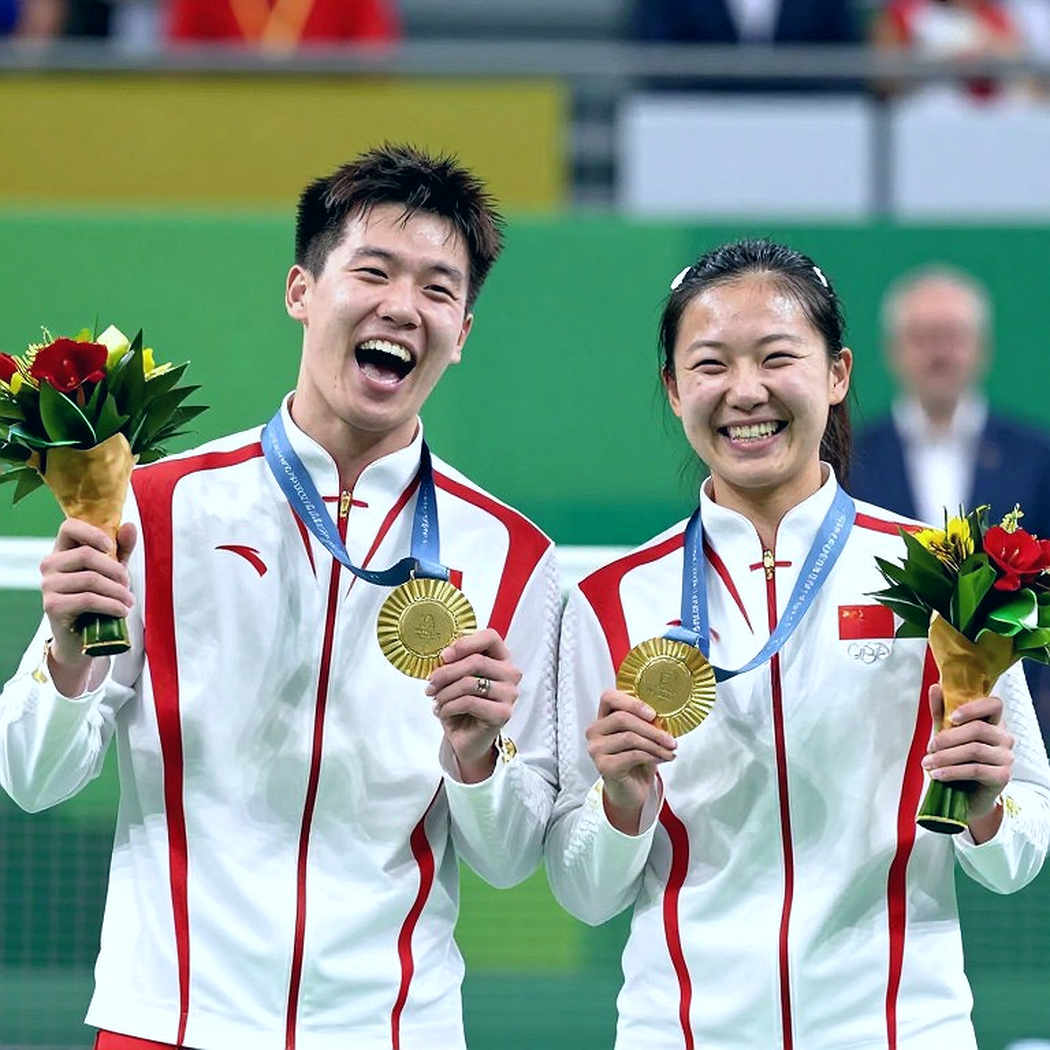
What to watch in the coming months: recovery of injured players, stability of the new coaching staff, and how they overcome these challenges. The 2026 Asian Games will be a true test of the team's character. Empty stadiums strip away reputation. What remains is discipline. And process wins a match, but discipline wins a season. We will wait to see if China can turn difficulties into motivation to rise, or will pay the price for current instability.